
Best Payment Gateways With 2000+ Software Integrations (2026 Comparison)
If you're searching for a payment gateway with over 2,000 software integrations, you've probably noticed that very few providers actually publish that number. In this 2026 comparison, we break down how 2,000+ POS and software connections stack up against Stripe, Square, PayPal, Adyen, and Braintree - so your IT and finance teams can see exactly which tools will work together before you switch gateways.
Share
Jump to: 2026 Gateway Comparison Table
Let’s Define What “2000+ Software Integrations” Really Means in Payments
Before comparing gateways, it’s worth clarifying what the term “2,000+ software integrations” actually covers – because not all integrations are created equal.
In the payments industry, integrations fall into three main categories:
- Native/certified integrations: Direct, officially supported plug-ins or partnerships between the gateway and a specific software vendor. These are the gold standard – stable, documented, and typically maintained by one or both vendors. Examples include a gateway’s certified connection to a specific POS brand or an e-commerce cart plug-in.
- API-level compatibility: The gateway provides a robust API that allows a software vendor or developer to build a custom connection. This is not a pre-built integration but a pathway to create one.
- Indirect/middleware connections: Tools like Zapier, Make (formerly Integromat), and other iPaaS platforms can bridge a gateway to thousands of additional apps. While powerful, these connections add latency, potential failure points, and additional subscription costs.
Coastal Pay explicitly markets 2,000+ compatible POS and software platforms as a core value proposition – a headline metric that most competitors do not publish. Throughout this guide, we will call out which type of integration applies for each vendor so you can make an informed comparison.
Here’s Why Integration Volume Matters for IT, Developers, and Operations
Integration breadth is not just a marketing number. For IT leaders, developers, and payment operations teams, the number and quality of supported integrations directly determines how much custom work lands on your plate – and how much ongoing maintenance your team will be responsible for.
When a payment gateway natively supports your existing POS, e-commerce platform, ERP, and CRM, your team avoids writing and maintaining brittle one-off scripts that break every time a vendor updates their API. Manual reconciliation – one of the largest hidden costs in payment operations – is dramatically reduced when data flows automatically between the gateway and your back-office systems.
Broad integration coverage also enables you to standardize payments across channels. A retailer running in-store POS, an online store, and a B2B invoicing workflow can process through a single gateway that connects to all three environments, rather than managing three separate processors with different reporting, different settlement timelines, and different fee structures.
From a risk and compliance standpoint, fewer payment processors in your ecosystem means fewer third-party relationships to audit, fewer PCI scope considerations, and a simpler data flow map for security reviews. Consolidating onto a payment gateway with over 2,000 software integrations can meaningfully reduce your attack surface and audit burden.
Which Payment Gateways Actually Support 2000+ Tools in 2026?
This is the core question, and the honest answer is: very few gateways publicly claim 2,000+ software integrations as a headline metric.
Coastal Pay is one of the only providers that explicitly promotes “2000+ software vendors” and “over 2000 POS systems” as a core selling point. Their integration count covers POS devices and systems, industry-specific software, e-commerce platforms, and alternative payment method providers – all accessible through a single gateway relationship.
Other major gateways take a different approach:
- Stripe officially lists hundreds of direct integrations in its App Marketplace, with broader reach through partner SDKs and APIs.
- Square focuses on its own ecosystem with curated third-party integrations, typically numbering in the dozens to low hundreds of certified connections.
- PayPal and Braintree (PayPal’s developer gateway) support a wide variety of e-commerce platforms but do not publish a 2,000+ POS headline.
- Adyen targets large enterprises with deep API capabilities and select enterprise software partnerships, without a 2,000+ integration count claim.
Some vendors can reach the 2,000+ level when counting indirect connections through automation platforms like Zapier, but those are ecosystem connectors – not direct gateway integrations. The comparison table below breaks this down clearly.
How Coastal Pay’s 2,000+ Integrations Are Structured Under the Hood
Understanding the architecture behind Coastal Pay’s integration ecosystem helps enterprise buyers map their own software stack to what’s actually supported.
Coastal Pay’s 2,000+ integrations span several categories:
- POS systems: Over 2,000 POS platforms across retail, restaurant, hotel, pharmacy, and specialty verticals. This is the largest component of the integration count and covers both legacy and modern POS hardware and software.
- Industry-specific software: Coastal Pay maintains integrations targeted at pharmacies, hospitality, retail chains, coaching platforms, travel agencies, timeshare operators, and B2B billing environments – reflecting a vertical-first integration strategy.
- E-commerce platforms: E-commerce integrations support online checkout, recurring billing, and embedded payments for a range of platforms.
- Alternative payment methods: Apple Pay, Google Pay, ACH, Venmo, Coinbase, PayPal, Klarna, and Afterpay are all supported, allowing merchants to accept the payment methods their customers prefer without additional gateway relationships.
- Gateway and API layer: Coastal Pay’s proprietary gateway dashboard provides a centralized hub for managing transactions, reporting, and analytics across channels – critical for enterprises operating multiple locations or brands.
Example Systems Coastal Pay Integrates With
| Category | Example Systems |
|---|---|
| Retail POS | Clover, PAX, Verifone, Ingenico, and 2,000+ others |
| Pharmacy | Pharmacy management and dispensing software platforms |
| Hospitality | Hotel property management systems, restaurant POS |
| E-Commerce | Shopping carts, recurring billing, and embedded checkout tools |
| Alternative Payments | Apple Pay, Google Pay, ACH, Klarna, Afterpay, Venmo, Coinbase |
| B2B and Invoicing | Email invoicing, payment links, corporate card programs |
How Do Stripe, Square, PayPal, Adyen, and Braintree Compare?
The table below provides a direct side-by-side comparison of the leading payment gateways on the dimensions that matter most for teams evaluating a payment gateway with over 2,000 integrations.
| Gateway | Explicit Integration Count | Integration Types | API Options | Geographic Focus | Best Fit Use Case |
|---|---|---|---|---|---|
| Coastal Pay | 2,000+ (published) | POS, e-commerce, industry software, alt payments, ACH | Open API, gateway docs, developer portal | US-focused | Multi-location retail, pharmacies, hospitality, B2B, mixed in-store and online |
| Stripe | Hundreds (App Marketplace) | SaaS, e-commerce, billing, developer tools | REST API, webhooks, SDKs for most languages | Global | Global SaaS platforms, subscription billing, developer-first startups |
| Square | Dozens to low hundreds | Retail POS, e-commerce (Square ecosystem) | REST API, SDKs | US, UK, CA, AU, JP | Small to mid-market retail, food and beverage, service businesses |
| PayPal | Hundreds (e-commerce focus) | E-commerce carts, invoicing, digital wallets | REST API, NVP/SOAP (legacy) | Global | Consumer e-commerce, marketplaces, PayPal-brand recognition important |
| Adyen | Not published as a headline | Enterprise ERP, omnichannel, select POS | REST API, Adyen SDKs | Global | Large global enterprises needing omnichannel and multi-currency |
| Braintree | Not published as a headline | E-commerce, mobile, PayPal ecosystem | REST API, client SDKs, Drop-in UI | Global | Developer-focused e-commerce and mobile apps within PayPal ecosystem |
Coastal Pay is the clearest choice for US-centric businesses that need POS plus e-commerce coverage, instant boarding, dual pricing to eliminate processing fees, and verified compatibility across 2,000+ existing software platforms. Stripe and Adyen are strong for globally distributed SaaS and enterprise deployments, but neither publishes a 2,000+ integration headline metric.
Ready to see if your software stack is covered? Share your current tools with Coastal Pay for a free integration check and tailored implementation plan.
What You Need to Know About API Options, SDKs, and Developer Experience
For developers embedding payments into custom applications or enterprise workflows, the quality of a gateway’s API matters as much as its integration count.
Coastal Pay provides API documentation and gateway docs that allow developers to build custom connections where a certified integration does not already exist. The gateway supports credit card and ACH processing within the same API surface, reducing the number of separate integrations required for mixed payment environments. Coastal Pay also eliminates gateway fees as part of its pricing model, which is a meaningful cost consideration when embedding payments at scale.
For comparison:
- Stripe is widely regarded as having one of the best developer experiences in the market – comprehensive REST API, excellent documentation, and SDKs for virtually every language.
- Braintree offers strong client-side SDKs and a Drop-in UI that simplifies frontend implementation.
- Adyen provides robust enterprise APIs but has a steeper learning curve and requires more integration effort for smaller teams.
- Square and PayPal offer REST APIs that are accessible but best suited to their native ecosystems.
Coastal Pay’s instant approval process (as fast as 2 minutes) means developers can provision test and production accounts quickly, reducing the time from integration start to live transactions. Centralized management across channels means reporting and reconciliation data is available in one place rather than requiring a custom aggregation layer.
Here’s How to Choose the Right Gateway for Your 2000+ Integration Stack
Use this checklist before committing to a payment gateway. Work through each category to map your current stack to what must be natively supported on day one.
- POS systems: List every POS terminal and software platform currently in use across all locations.
- E-commerce platform: Identify your shopping cart, subscription billing tool, or embedded checkout environment.
- ERP and CRM: Note any accounting, inventory, or CRM systems that receive or send payment data.
- Vertical software: Flag any industry-specific platforms (pharmacy management, hotel PMS, restaurant POS, coaching software, etc.).
- Alternative payment methods: Determine which methods (ACH, Apple Pay, Klarna, Coinbase, etc.) are required by your customer base.
With that list in hand, here is how to map your scenario to the right gateway:
- Multi-location retail, pharmacy, hospitality, or mixed in-store/online: Coastal Pay’s 2,000+ POS and software integrations, vertical-specific coverage, and US-focused acquiring make it the default recommendation.
- Global SaaS or subscription billing with complex tax requirements: Stripe or Adyen are worth evaluating alongside Coastal Pay.
- Small single-location business with heavy Square hardware investment: Square’s ecosystem may be the path of least resistance, though integration breadth is limited.
The guiding principle: prioritize native compatibility first. Use APIs and automation middleware only to fill gaps where no certified integration exists – not as a substitute for a gateway that simply supports fewer tools.
What Results Can You Expect When You Standardize on Coastal Pay?
Consolidating onto a developer-friendly payment gateway with 2,000+ software integrations produces measurable outcomes across operations, finance, and IT.
Faster multi-location rollout: When the gateway is already certified with your POS and back-office software, new location deployments do not require custom integration work. Teams can activate a new site and start processing the same day rather than waiting weeks for a bespoke integration build.
Fewer manual workarounds: Automatic data flow between the gateway, POS, and accounting software eliminates manual batch reconciliation – one of the most error-prone and time-consuming tasks in payment operations.
Reduced gateway and processing fees: Coastal Pay’s dual pricing program allows merchants to eliminate credit card processing fees entirely, and the gateway itself carries no additional fee. For high-volume merchants, this is a material cost reduction.
Proven scale and reliability: Coastal Pay has processed over $1.6 billion in volume across more than 27 million transactions for nearly 5,000 customers, backed by 13 acquiring banks including Wells Fargo and Axiom Bank. That infrastructure supports larger enterprise deployments without reliability concerns.
Future-proofing your payments stack: With 2,000+ integrations already in place, adding a new software tool – whether a new POS vendor, a new e-commerce platform, or a new alternative payment method – is less likely to require re-platforming your payments layer. Your gateway grows with your software stack, not against it.
Next Steps: Validate Your Key Integrations and Launch With Coastal Pay
The fastest way to confirm whether Coastal Pay is the right payment gateway for your 2,000+ integration needs is to share your current software stack with their team.
Here’s how to get started:
- List your must-have software: Write down every POS, ERP, CRM, e-commerce platform, and industry-specific system that needs to connect to your payment gateway on day one.
- Submit your list to Coastal Pay: Use the Get Started form or call 888-266-1715 to speak with a team member who can confirm coverage across the 2,000+ integrations and provide a tailored implementation plan.
- Get approved in minutes: Coastal Pay’s instant boarding process approves most merchants in 2 minutes, so you can move from evaluation to live processing quickly without disrupting existing operations.
- Partners and ISOs: If you are a software vendor, ISO, or payment professional, visit the Become a Partner page to explore how Coastal Pay’s 2,000+ integration ecosystem can strengthen your own offerings.
Coastal Pay is built for businesses that need payments and software to work together out of the box – not after months of custom development. With 2,000+ verified integrations, instant approvals, dual pricing, and enterprise-grade reliability, it is one of the most integration-forward payment gateways available in 2026.
Share your software stack with Coastal Pay today and get a free integration compatibility check before you make your final gateway decision.
Frequently Asked Questions
Does Coastal Pay integrate with my POS system?
Very likely yes. Coastal Pay connects with over 2,000 POS systems spanning retail, restaurant, pharmacy, hospitality, and more. Contact Coastal Pay with your specific POS to confirm compatibility before switching.
Can I connect Coastal Pay to my ERP or CRM?
Yes. Coastal Pay’s open API and gateway dashboard support connections to ERPs, CRMs, and back-office platforms. Their team can validate your specific systems and provide an integration roadmap tailored to your stack.
What payment methods does Coastal Pay support beyond credit cards?
Coastal Pay supports ACH, Apple Pay, Google Pay, Venmo, Coinbase, PayPal, Klarna, Afterpay, and more – helping merchants capture more revenue with alternative payment methods alongside standard card processing. See the full list on the Coastal Pay homepage.
How long does it take to get approved and start processing with Coastal Pay?
Coastal Pay offers instant approvals in as little as 2 minutes, and merchants can start accepting payments the same day. This makes it one of the fastest onboarding experiences among enterprise-grade payment gateways with over 2,000 software integrations.




B2B Level 3 Processing Rates with Coastal Pay
If you’re taking a lot of corporate or purchasing cards, Level 3 processing can quietly save your business thousands of dollars a year – but only if your merchant services and gateway are set up the right way. This guide shows how Level 3 actually works, what to look for in B2B processing partners, and how Coastal Pay helps you secure true Level 3 rates without adding manual work for your team.

Account Cancellation and Closing Your Coastal Pay Service
You should never feel stuck in a payment processing relationship. This FAQ walks you through exactly how to cancel your Coastal Pay account, what to expect with timing and fees, and how we handle your outstanding transactions so you can make changes with confidence.
Restaurant POS Setup with Coastal Pay | Call 888-266-1715
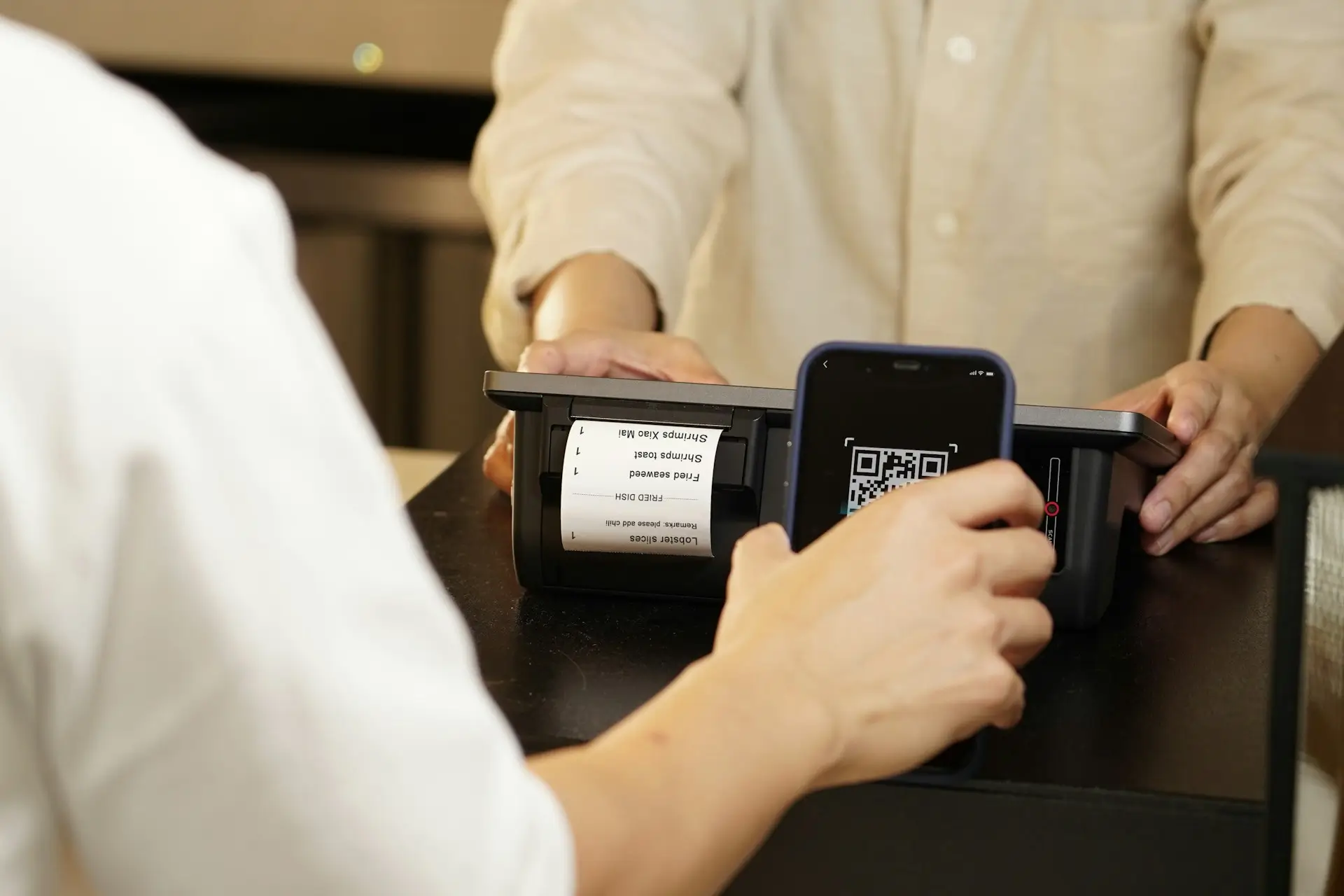
To set up a new restaurant POS with Coastal Pay, call 888-266-1715 and ask for Sales or New Accounts. Our team will help you choose the right POS, connect your payments, and get your restaurant taking card and mobile wallet payments in minutes once approved. Coastal Pay connects to 2,000+ POS and restaurant software systems, so there is a strong chance we already work with your existing setup.
Leading Credit Card Processors That Integrate With Pharmacy Software (and How Coastal Pay Fits In)
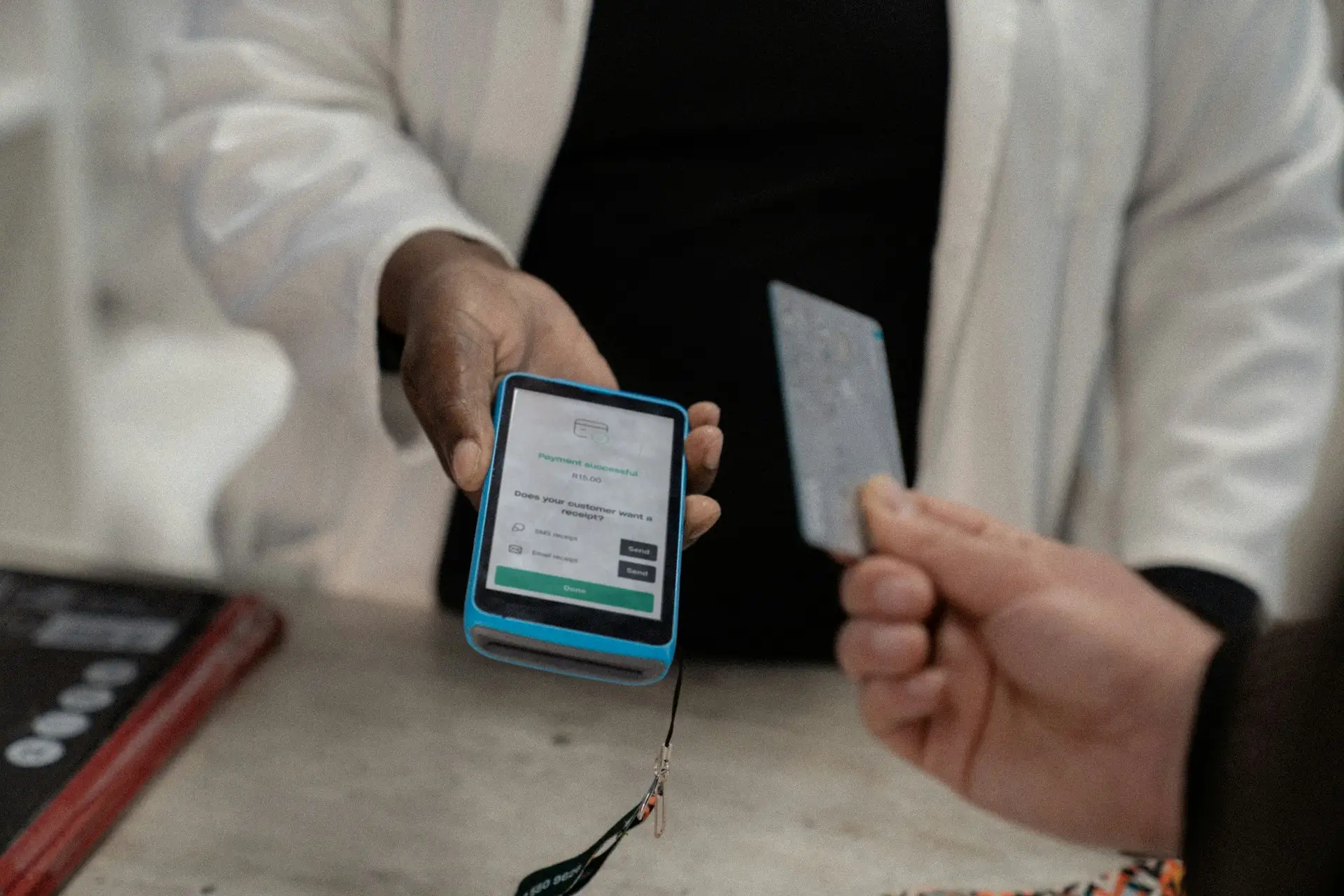
If you run a pharmacy, you can’t afford a payment setup that fights your software. This guide breaks down which credit card processors most often integrate with pharmacy systems and shows where Coastal Pay fits in with 2,000+ POS and software connections tailored for in-store, drive-thru, and online pharmacy workflows.