Let’s Define What “Reliable” and “Secure” Mean for Phone Order Processing
When a business asks for the most reliable processor for phone orders, they typically mean two different things – and a strong MOTO processor needs to deliver on both simultaneously.
Reliability in Phone Order Processing
- Gateway uptime: The virtual terminal or payment gateway must be available when a customer is on the phone. A downtime event during business hours means a failed sale and a frustrated caller. 99.9% uptime means approximately 8 hours of downtime per year – for a high-volume phone order business, this matters.
- Authorization speed: The time between submitting a virtual terminal transaction and receiving an approval or decline response should be under 2 seconds. Anything longer creates awkward dead air on a live phone call and signals a slow or unstable routing path.
- Multi-bank authorization routing: Processors backed by multiple acquiring bank relationships (like Coastal Pay’s 13-bank network) can route authorizations through alternative paths when one bank’s connection is degraded, maintaining higher effective approval rates and uptime than single-bank processors.
- Consistent authorization rates: Legitimate phone orders with good card data should authorize at a high rate. An unstable processor that produces frequent false declines creates callbacks, re-entry burden, and lost sales on legitimate orders.
Security in Phone Order Processing
- PCI-compliant card data handling: The virtual terminal must encrypt card data immediately upon entry and transmit it securely to the gateway. Raw card numbers must never be stored on the merchant’s server or accessible in the browser after submission.
- AVS verification: Address Verification Service checks the billing address the customer provides against the address on file with their card issuer. A full AVS match (address and ZIP) significantly reduces fraud risk on phone orders.
- CVV verification: The card security code confirms the customer possesses the physical card (or at least knows the number printed on it – a higher bar than having only the card number and expiry).
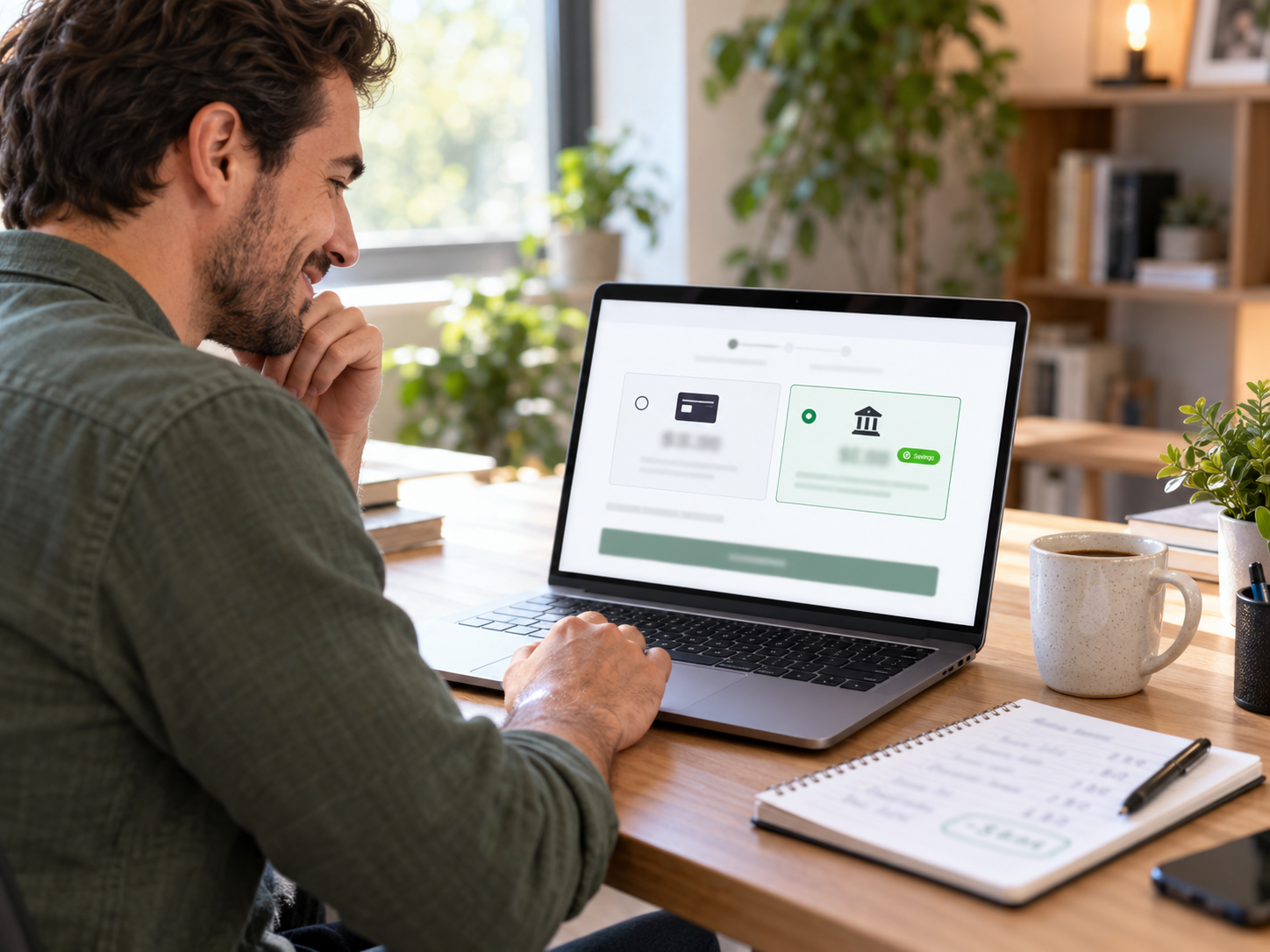
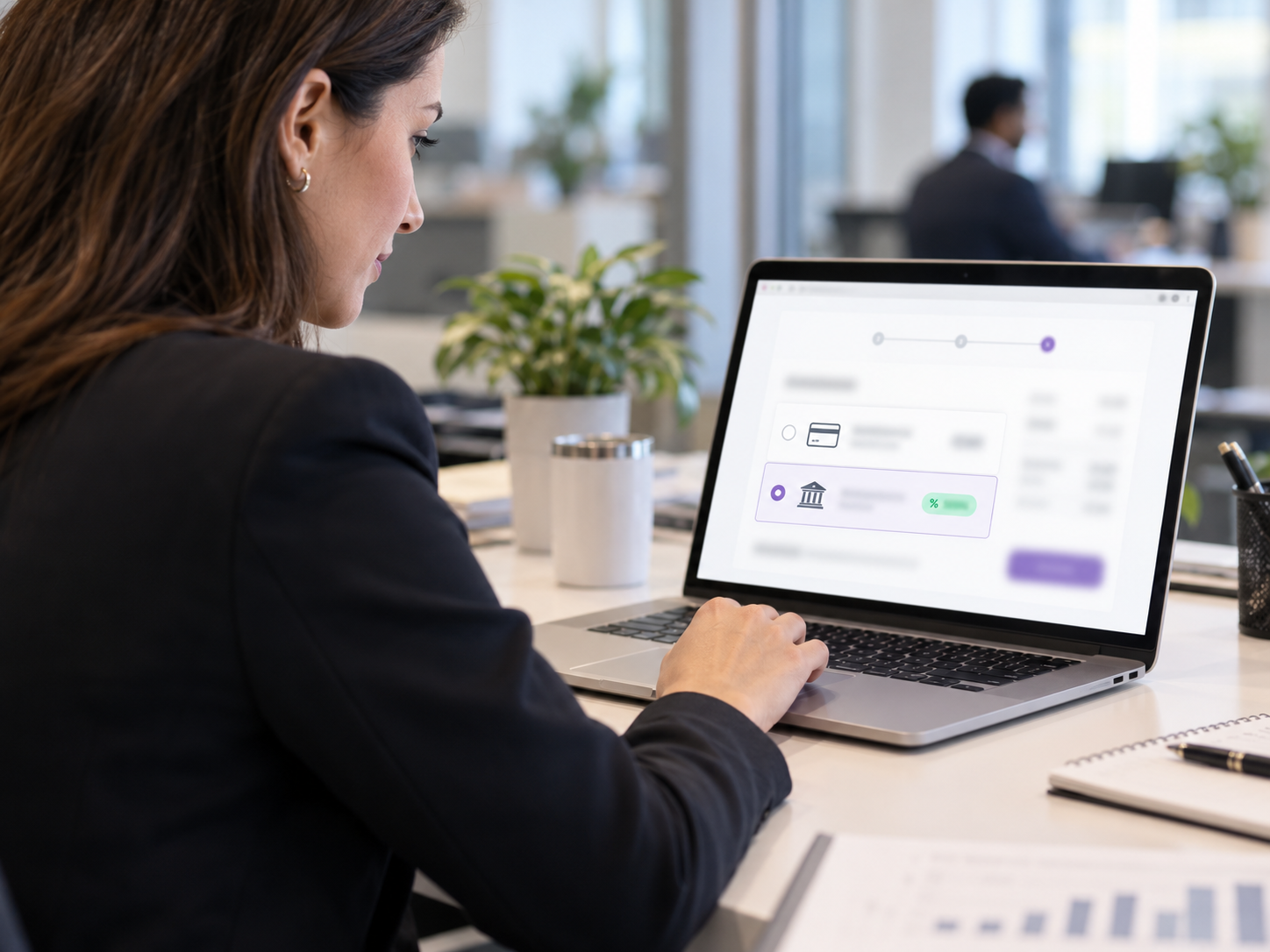
- Payment link option: The most secure phone order processing removes staff from the card data flow entirely. Sending a secure payment link during the call so the customer self-enters their details eliminates the MOTO security risk for that transaction.
- Call recording policy: Any recording of a phone call where a customer reads their card number creates cardholder data that falls under PCI scope. The processor’s tools should enable avoiding this by routing to payment link instead.
Coastal Pay’s gateway addresses both dimensions: backed by 13 acquiring bank relationships for routing stability, with AVS/CVV verification, PCI-compliant virtual terminal, and payment link capability in every merchant account.
Here’s Why Phone Order Processing Has Different Requirements Than Card-Present or E-Commerce
MOTO transactions are neither card-present (where the physical card is verified at a terminal) nor standard e-commerce (where the customer self-enters details on a hosted checkout page). They occupy a specific risk and operational space that requires specific processor capabilities.
Higher Fraud Risk Than Card-Present
Card-present transactions use the EMV chip for cryptographic authentication – the card’s presence at the terminal is verified at the hardware level. Phone orders use only the card number, expiry, CVV, and billing address – none of which require the physical card. A fraudster with stolen card credentials can place a phone order with no more difficulty than a legitimate customer. This is why:
- MOTO interchange rates are higher than card-present rates
- AVS and CVV verification are essential rather than optional for phone orders
- Velocity rules and order value thresholds are more important for phone order desks than in-store checkout
- Chargeback rates in the MOTO category are typically higher than card-present, requiring proactive management
Different Operational Requirements Than E-Commerce
Standard e-commerce checkout is customer self-serve – the merchant provides a checkout page and the customer completes their own entry. Phone orders involve a staff member as an active participant in every transaction:
- The virtual terminal must be fast and simple enough for staff to use while maintaining a live phone conversation
- Staff training on what to do and what NOT to do with card data is a PCI compliance requirement, not just best practice
- Authorization declines during live calls need a clear, staff-friendly explanation to communicate to the customer (insufficient funds vs expired card vs address mismatch) without revealing fraud-risk information
- Receipt delivery must be immediate and automatic so staff do not have to manually send confirmation after each call
How Coastal Pay Addresses Both
Coastal Pay’s virtual terminal is browser-based with a simple single-screen layout – amount, card number, expiry, CVV, billing ZIP. AVS and CVV are configured by default. The payment link option gives staff a 30-second alternative that removes them from the card data flow entirely. And Coastal Pay’s 13-bank authorization routing network provides the stability and approval rates that a phone order desk depends on.
Here’s How to Build a Secure Phone Order Process With Coastal Pay
A well-designed phone order payment process reduces fraud, minimizes PCI exposure, maximizes authorization rates, and makes staff more efficient on every call. The following process covers both the virtual terminal path and the preferred payment link path.
The Two-Path Phone Order Process
Path A (Preferred – Payment Link):
- Customer calls to place an order or pay an invoice
- Staff confirms the order total and the customer’s mobile number or email
- Staff opens the Coastal Pay Gateway, clicks New Payment Link, enters the amount, copies the URL
- Staff texts or emails the link to the customer while they are still on the phone: “I’m sending you a secure payment link now”
- Customer taps the link, sees the Coastal Pay-hosted checkout page, selects card, Apple Pay, Google Pay, Venmo, or ACH, and completes payment in under 60 seconds
- Staff receives an instant payment confirmation in the Coastal Pay dashboard. Customer receives an automatic receipt.
- Staff confirms with the customer: “I can see your payment has gone through, you’re all set”
Why this is better than virtual terminal entry: Staff never hear, see, or touch raw card data. PCI exposure for that transaction is eliminated. Customer self-authentication reduces fraud risk. The customer can use Apple Pay or ACH, which are not possible through a staff-entered virtual terminal.
Path B (When Payment Link Is Not Practical – Virtual Terminal):
- Customer calls and does not have mobile or email access during the call, or urgency requires immediate processing
- Staff opens the Coastal Pay Virtual Terminal in a browser tab
- Staff enters the transaction amount first
- Customer reads card number, expiry, CVV, and billing ZIP
- Staff enters each field as customer reads it – never writing the details on paper or in any other system
- Staff submits the transaction. AVS and CVV are automatically verified.
- Staff reads the authorization result to the customer (approved/declined). If declined, staff asks customer to verify billing address or try a different card.
- Customer receives an automatic receipt email. Staff confirms receipt was sent.
Staff Training Essentials for Phone Order Security
- Never write down card numbers: Not on paper, not in a CRM notes field, not in an email, not in a chat message. The virtual terminal is the only place card data should go.
- Never repeat card numbers back aloud: If call recording is active, reading the card number back creates a recorded cardholder data record that falls under PCI scope.
- Default to payment link when possible: Any customer with a mobile phone or email during the call should receive a payment link first. Virtual terminal entry is the fallback, not the default.
- Flag unusual orders for review: Large orders from new customers, multiple orders from the same card in a short window, or orders shipping to a different address than billing should be flagged for a brief manual check before fulfillment.
- Know the decline codes: “Card declined – please check with your bank” is the appropriate response to almost all declines. Never tell a caller the specific decline reason code in detail.
What Are the Most Important Security Features for MOTO Processors?
AVS (Address Verification Service)
AVS checks the billing address the customer provides against the address on file with the card issuer. Response codes indicate full match, partial match (ZIP only or address only), or mismatch. For phone orders, requiring a full AVS match (both address line and ZIP match) before authorizing significantly reduces fraud. AVS cannot stop all fraud – fraudsters sometimes have the billing address from the same stolen card data – but it eliminates most amateur card fraud that uses a random address.
Coastal Pay configuration: AVS is available on all virtual terminal transactions. Merchants can configure AVS response handling – whether to auto-decline mismatches, flag for review, or proceed with logging. Contact 888-266-1715 to discuss AVS threshold configuration for your specific business type and phone order risk profile.
CVV Verification
The card security code (CVV2 on Visa, CVC2 on Mastercard, CID on Amex) is the 3 or 4-digit code printed on the physical card. It is not stored in card network databases and cannot be obtained from a database breach – only from the physical card itself. Requiring CVV for all phone orders adds a meaningful layer of verification that eliminates fraudsters who have only the card number and expiry from a breach, not the physical card.
Coastal Pay configuration: CVV is a standard field in the Coastal Pay virtual terminal and is required by default for keyed transactions. Decline CVV failures rather than allowing override.
Velocity Rules and Order Thresholds
Velocity rules flag patterns that indicate card testing or fraud ring activity – multiple orders from the same card within a short window, multiple orders to the same shipping address with different billing addresses, or orders significantly above the merchant’s normal ticket size. These rules are configured at the gateway level.
Coastal Pay: Gateway-level fraud filtering is available. Contact 888-266-1715 to discuss velocity rule configuration appropriate for your phone order volume and average ticket.
Tokenization for Card-on-File Orders
For repeat customers who place phone orders regularly, storing card details as a secure token eliminates re-entry on future calls and removes the risk of the customer reading card details over the phone on subsequent orders. The token is a reference number that routes to the card at the network level – the actual card number is never stored on the merchant’s systems or accessible after initial tokenization.
Coastal Pay: Card-on-file tokenization is available for merchants who want to charge repeat customers without requiring card re-entry on each call. The stored token can be used for future charges, subscriptions, and installment payments.
PCI DSS Compliance for Phone Orders
The PCI Self-Assessment Questionnaire for virtual terminal users is SAQ C-VT. It is shorter than the full SAQ D but still requires the merchant to confirm: the virtual terminal computer is dedicated or isolated from general browsing, antivirus is current, access is restricted to authorized staff, no cardholder data is stored outside the virtual terminal, and call recording does not capture card numbers in a retrievable format. Coastal Pay provides SAQ C-VT completion support via Helpdesk ticket or at 888-266-1715.
Here’s How to Handle Chargebacks on Phone Orders
MOTO chargebacks are more common than card-present disputes and require more documentation to dispute successfully. The time to build the documentation is before the dispute arrives, not after.
The Three Most Common Phone Order Chargeback Reasons
- “I did not authorize this transaction”: The most common MOTO dispute reason – often used when a cardholder does not recognize the charge or when a card was used fraudulently by someone other than the legitimate cardholder. Strong AVS and CVV match does not completely eliminate this but significantly reduces both the frequency and the ease of winning a reversal.
- “Item not received” or “Service not rendered”: The customer disputes claiming the product or service was never delivered. For phone orders, this requires shipment confirmation with tracking (for physical goods) or documented service delivery (for services).
- “Not as described”: The customer claims the product or service differed materially from what was described during the phone order. The protection here is documented confirmation of what was ordered.
Documentation That Wins Phone Order Disputes
- Order confirmation email sent immediately after payment showing item/service description, quantity, price, and delivery timeline
- AVS and CVV match confirmation from the payment gateway authorization record
- Shipping confirmation with tracking number and delivery confirmation (for physical goods)
- Signed delivery receipt (for deliveries requiring signature)
- Service delivery records – notes, appointment confirmation, completion report (for services)
- Any email or text communication with the customer after the order
- Recorded call (if applicable and PCI-compliant) confirming the customer authorized the transaction and the terms discussed
- Your return and cancellation policy as displayed to the customer at time of order
The Payment Link Advantage for Dispute Documentation
When a customer self-enters payment on a Coastal Pay payment link, the transaction includes device fingerprint data, IP address, and timestamp that are valuable dispute evidence. A customer who self-entered their card on a hosted checkout page has a much weaker “I did not authorize this” claim than a customer who read their card to a staff member over the phone. This is another operational reason to prefer payment links over virtual terminal entry whenever practical.
Coastal Pay Chargeback Support
Coastal Pay provides dispute notification through the Gateway dashboard and Helpdesk system. When a chargeback arrives, merchants receive notification with the dispute reason code and response deadline. Contact 888-266-1715 before submitting a dispute response to confirm the documentation package is organized effectively for the specific reason code. Coastal Pay’s team assists with dispute response structure based on the reason code type – “not authorized” responses require different documentation emphasis than “item not received” responses.
Which Business Types Depend Most on Reliable Phone Order Processing?
Legal Firms and Professional Services
Attorneys, accountants, and consultants collect retainer payments, hourly billing, and case deposits by phone. Transaction sizes range from $500 to $50,000+. Reliability during the collection call is non-negotiable – a declined or failed authorization on a large retainer call is a client service incident. ACH via payment link is the most cost-effective channel for large retainers: a $10,000 retainer via ACH costs approximately $1.00 versus $250.15 on card.
Medical and Healthcare Billing
Front desk staff and billing teams collect copays, specialist balances, and deductible payments by phone after insurance processes. Transaction sizes are variable and often unknown until the EOB arrives. The payment link approach is particularly well-suited to healthcare billing – it eliminates the front desk from handling card data, sends the patient a secure checkout link via text, and allows ACH for large balances. HIPAA-aligned architecture: Coastal Pay handles only payment data, not PHI, keeping systems separated.
B2B Order Desks
Wholesale, distribution, and manufacturing order desks take large card or ACH orders by phone from business account holders. Transaction sizes routinely exceed $1,000 to $10,000. ACH is strongly preferred for these orders due to cost – a $5,000 B2B phone order via ACH costs $0.50 to $1.50 versus $125.15 on card. Card-on-file tokenization eliminates re-entry for repeat account holders.
Travel Agencies and Tour Operators
Travel bookings collected by phone often involve high ticket sizes (flights, hotel blocks, custom tour packages at $2,000 to $20,000+) and a two-payment flow (deposit at booking, balance at departure). Payment links work well for both payments – the deposit link is sent at booking, the balance link is sent 60 days before departure. Reliability at the deposit collection moment is particularly important as customers may have called multiple agencies before committing.
Home Services and Contracting
Contractors collecting deposits and final payments by phone for home improvement, HVAC, plumbing, and electrical work. Transaction sizes range from $200 to $50,000+. Virtual terminal or payment link for deposits at contract signing; payment link texted to the homeowner at job completion for final payment. ACH for large project final payments reduces processing cost significantly.
Auto Dealers and Service Centers
Service advisors collecting repair order payments from customers who dropped off vehicles. Payment link texted to the customer allows payment from the customer’s phone without returning to the dealership. Service advisors are freed from handling card data over the phone. Large service invoices can include ACH option for cost reduction.
How Does Coastal Pay Compare on the Features Phone Order Businesses Need Most?
| Feature | Coastal Pay | Typical Traditional Processor | Square Virtual Terminal | Stripe Dashboard |
|---|
| MOTO / keyed rate | 2.5% + $0.15 | 2.5% to 3.5% + fees (variable) | 3.5% + $0.15 | 2.9% + $0.30 |
| Monthly virtual terminal fee | $0 | $10 to $30/month typical | $0 | $0 |
| AVS verification | Yes – configurable | Yes (varies by setup) | Yes | Yes |
| CVV verification | Yes – default | Yes (varies by setup) | Yes | Yes |
| Payment link during call | Yes – 30-second setup | Rare / limited | Yes (Square payment links) | Yes (Stripe Payment Links) |
| ACH bundled for large orders | Yes – flat per-item, same account | Sometimes (separate contract) | No native ACH | 0.8%, capped $5 (separate) |
| Card-on-file tokenization | Yes – included | Yes (often extra fee) | Yes | Yes |
| PCI SAQ support | Yes – Helpdesk + phone | Varies widely | Limited | Limited self-serve |
| 13 acquiring bank relationships | Yes – routing stability | Typically 1 to 2 banks | Square acquiring | Stripe acquiring |
| Approval speed | ~2 minutes (instant boarding) | 2 to 7 business days | ~15 min provisional | ~15 min provisional |
Coastal Pay’s combination of the lowest MOTO flat rate (2.5% + $0.15), $0 virtual terminal fee, bundled ACH, configurable AVS/CVV, payment link capability, and 13-bank routing stability makes it the most complete phone order processing solution for businesses where MOTO is a primary revenue channel rather than an occasional add-on.
Next Steps for Phone-Forward Businesses
What to Have Ready Before Applying
- Business name and EIN or SSN
- Business bank account routing and account number
- Estimated monthly MOTO volume (rough estimate is fine)
- Average phone order ticket size
- Percentage of transactions that are phone-based vs in-person vs online (helps confirm the right account type and PCI questionnaire)
- Any current processor statement (helps calculate rate savings before committing)
Getting Live in Minutes
- Apply at coastalpay.com – most standard-risk U.S. businesses approved in approximately 2 minutes
- Log into the Coastal Pay Gateway dashboard – virtual terminal and payment link features available immediately upon approval
- Run a test transaction via virtual terminal to confirm authorization flow and receipt delivery
- Create your first payment link for the most common phone order type and save it for quick access during calls
- Brief your team on the two-path process: payment link first, virtual terminal when a link is not practical
- Watch for the PCI compliance email and complete the SAQ C-VT survey with Coastal Pay’s support
Explore Coastal Pay’s gateway, ACH and alternative payment methods, and integrations with CRM and billing platforms used by phone-forward businesses.
Get Approved in 2 Minutes
Or call: 888-266-1715
Frequently Asked Questions
- What makes a payment processor reliable for phone orders?
- A reliable MOTO processor needs: high gateway uptime (99.9%+) so authorizations never fail during live customer calls; fast authorization response (under 2 seconds); AVS and CVV verification to protect against card-not-present fraud; a browser-based virtual terminal that works on any device; PCI-compliant card data handling; and a payment link option for secure customer self-entry during calls. Coastal Pay’s gateway supports all of these, backed by 13 acquiring bank relationships for routing stability.
- What is the safest way to process credit card payments over the phone?
- The safest method is sending the customer a secure payment link during the call rather than entering their card details yourself. With Coastal Pay, generating a payment link takes under 30 seconds – the customer enters their own details or uses Apple Pay or ACH on the Coastal Pay-hosted secure page. Staff never handle raw card data. If a link is not practical, use a PCI-compliant virtual terminal with AVS and CVV verification. Never write down or store card numbers outside the virtual terminal submission form.
- How do I reduce chargebacks on phone orders?
- Enable and require full AVS and CVV match before processing; send an immediate order confirmation email after payment; configure your payment descriptor to display your business name clearly; use velocity rules to flag unusual order patterns; hold high-value orders for brief manual review; and use payment links for self-entry when possible – self-entered transactions carry device fingerprint and IP evidence that strengthens dispute responses. Coastal Pay provides dispute notification and response support at 888-266-1715.
- Can I take large phone orders via ACH instead of card to save on fees?
- Yes. Coastal Pay supports ACH for phone orders through payment links – send the customer a link that includes ACH alongside card as a payment option. The customer enters their routing and account number on the Coastal Pay-hosted page. For large orders ($500 to $10,000+), ACH dramatically reduces fees: a $1,000 order via ACH costs $0.50 to $1.50 versus $25.15 on card. Coastal Pay bundles ACH in the same merchant account at a flat per-item rate with no separate platform subscription.